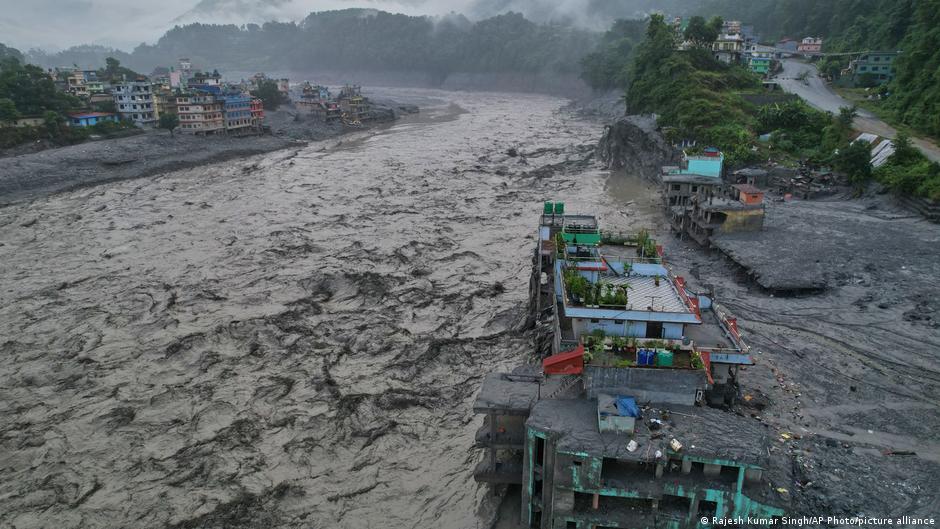
Nearly 1,400 people have died after a mountain slope collapsed and flash floods swept through the valleys of Nepal and Tibet. More than 5,000 people remain missing . The collapse was initially thought to have been caused by an earthquake. Now, glaciologists and climate scientists have determined that a complex series of factors led to the disaster, with climate change laying the groundwork several times over: Warming temperatures receded the glacier, thawed permafrost and increased meltwater, destabilizing the slope until it gave way on August 26. "This was not a single trigger event," Walter Immerzeel, a mountain hydrologist at Utrecht University in the Netherlands, told journalists on a press call.
我们公开展示核心要点。创建免费账户后可继续阅读全文、保存、讨论,并结合市场和 OSINT 背景分析。