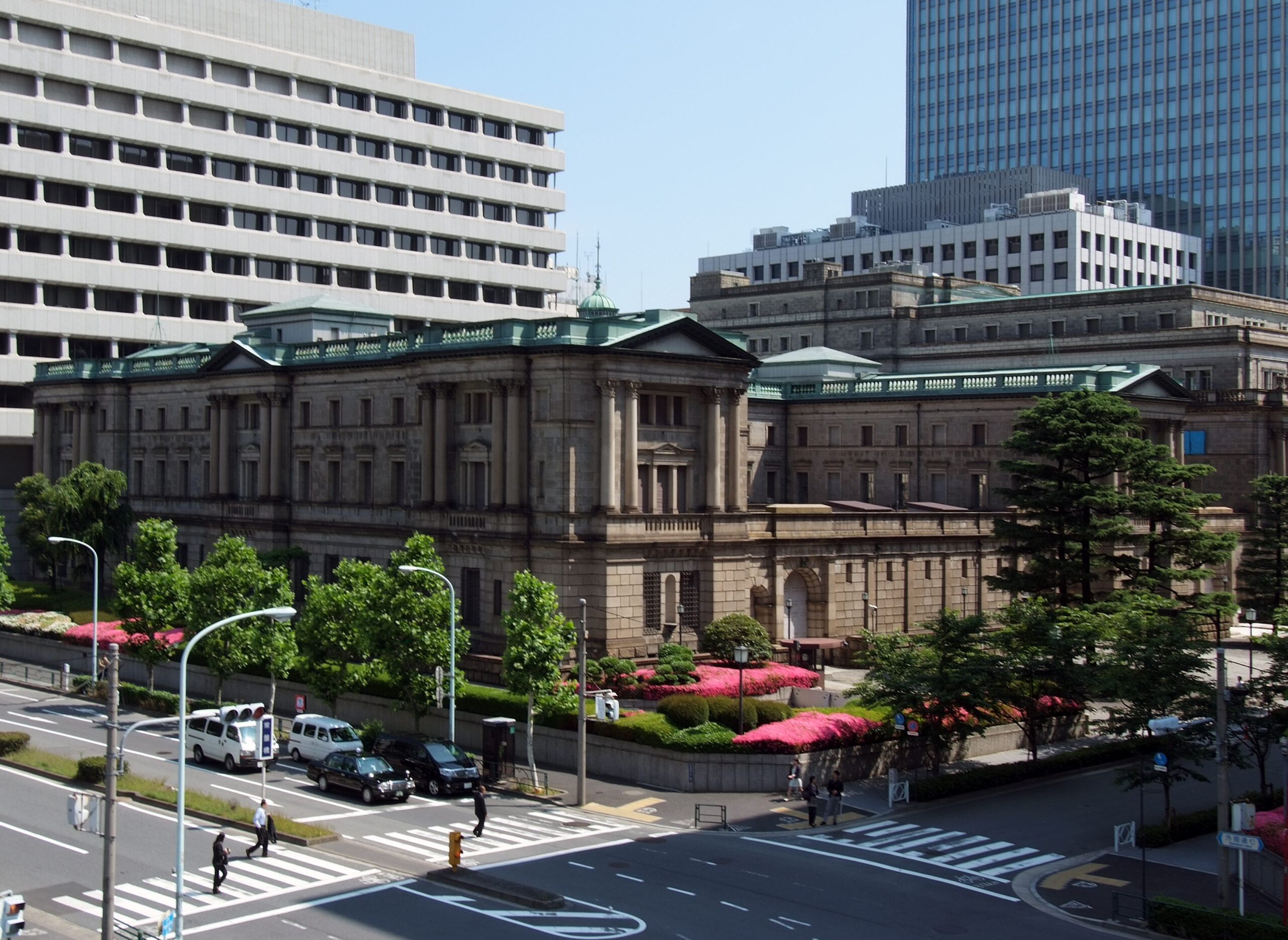
The Bank of Japan raised its benchmark rate by a quarter point to 1.25% on Friday — the highest level for Japanese borrowing costs in 31 years. Within minutes, the yen weakened against the dollar. A central bank that tightened policy to stabilize its currency managed to do the opposite, and the fractured vote that sealed the decision tells you why. The split was 7-2. The two dissenting board members — Toichiro Asada and Ayano Sato — were appointed by Prime Minister Sanae Takaichi, whose political coalition has historically backed looser monetary policy to sustain Japan’s post-deflation recovery. Traders did not read their dissent as a curiosity. They read it as evidence that the BoJ’s tightening commitment is political rather than unanimous.
Mostramos la idea principal publicamente. Crea una cuenta gratis para seguir leyendo el articulo completo, guardarlo, comentarlo y conectarlo con contexto de mercados y OSINT.