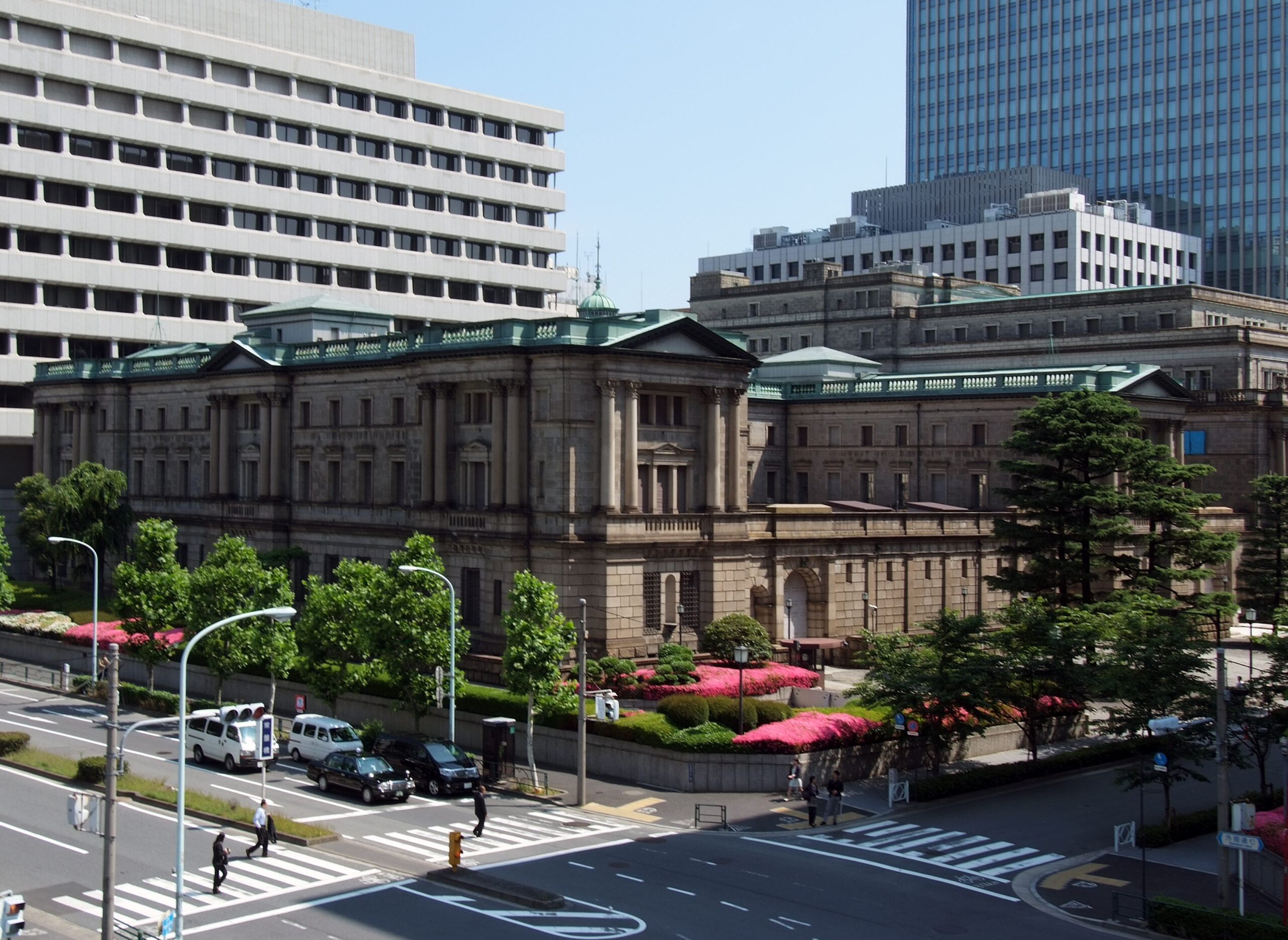
The Bank of Japan raised its benchmark rate by a quarter point to 1.25% on Friday — the highest level for Japanese borrowing costs in 31 years. Within minutes, the yen weakened against the dollar. A central bank that tightened policy to stabilize its currency managed to do the opposite, and the fractured vote that sealed the decision tells you why. The split was 7-2. The two dissenting board members — Toichiro Asada and Ayano Sato — were appointed by Prime Minister Sanae Takaichi, whose political coalition has historically backed looser monetary policy to sustain Japan’s post-deflation recovery. Traders did not read their dissent as a curiosity. They read it as evidence that the BoJ’s tightening commitment is political rather than unanimous.
Publicznie pokazujemy glowna mysl. Utworz darmowe konto, aby czytac caly artykul, zapisac go, omowic i polaczyc z kontekstem rynkowym oraz OSINT.