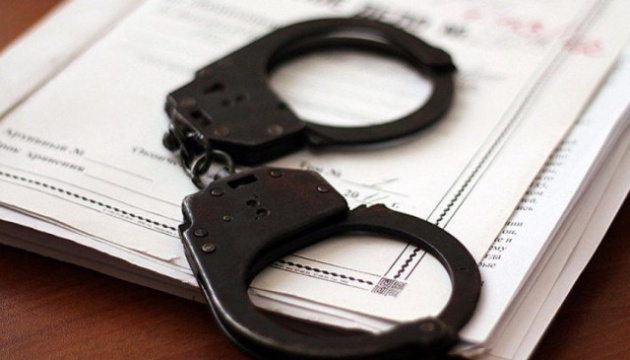
The investigation found that the woman came to the attention of the Russian intelligence service after she sought additional income through Telegram channels. After being recruited in a messaging app chat, the woman communicated with her Russian handlers through an intermediary – an employee of one of the departments of Russia’s occupation Interior Ministry in temporarily occupied Crimea. Following his instructions, the suspect monitored the locations of Ukrainian military personnel and equipment and then marked them on Google Maps for subsequent reporting to the FSB. The woman also separately recorded the locations of oil-refining facilities and major logistics hubs at the Odesa port.
Mostramos publicamente o ponto principal. Crie uma conta gratuita para continuar lendo o artigo completo, salva-lo, comenta-lo e conecta-lo ao contexto de mercado e OSINT.