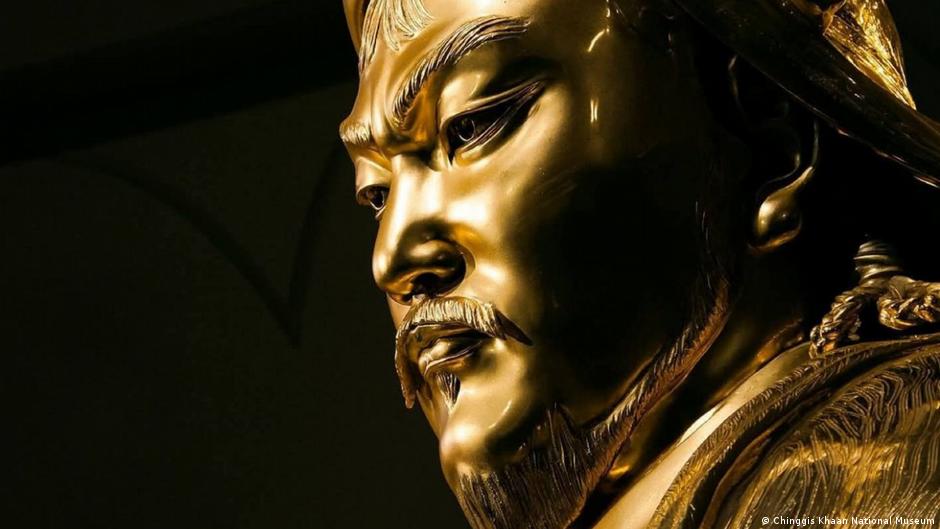
Genghis Khan is one of history's most radical figures. A blood-thirsty invader whose conquests caused the deaths of an estimated 40 million people, he was also a visionary political thinker who established the largest contiguous land empire in history. The founder of the Mongolian Empire died in 1227. Ahead of the 800th anniversary of his death, Berlin's James-Simon-Galerie explores his legacy and the "Mongol Century" (1250–1350) in the exhibition " Genghis Khan and the World of the Mongols ." The ruler remains "incredibly relevant" to this day, says Matthias Wemhoff, the director of the exhibition project.
Mostramos publicamente o ponto principal. Crie uma conta gratuita para continuar lendo o artigo completo, salva-lo, comenta-lo e conecta-lo ao contexto de mercado e OSINT.