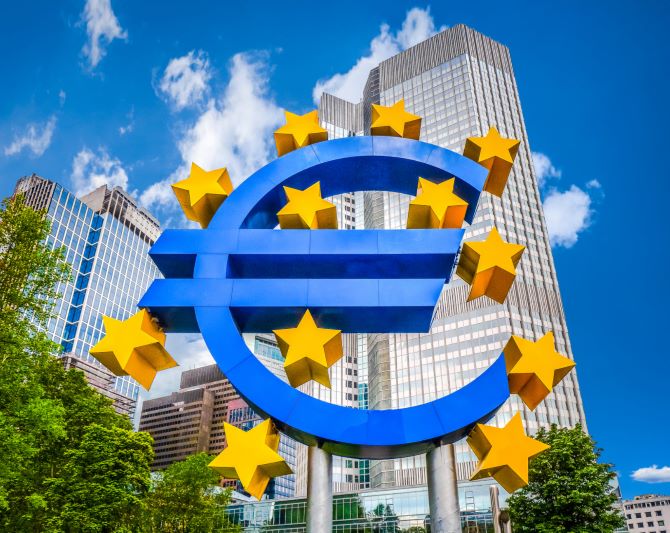
Despite a sharp rise in energy prices in early 2026 , the euro area economy has proved resilient. This blog examines how decreased vulnerability to energy shocks, policy support and the global AI upswing have helped cushion the impact, and explores what is needed to sustain that resilience. The latest shock follows years of economic turbulence. The euro area has navigated the pandemic and post -pandemic global supply shortages, the energy crisis following Russias war against Ukraine, Red Sea disruptions to global shipping, and trade tensions linked to US tariffs. [ 2 ] Although distinct, the events of early 2026 posed a stern, and still ongoing, challenge to the euro area's resilience.
Mostramos la idea principal publicamente. Crea una cuenta gratis para seguir leyendo el articulo completo, guardarlo, comentarlo y conectarlo con contexto de mercados y OSINT.