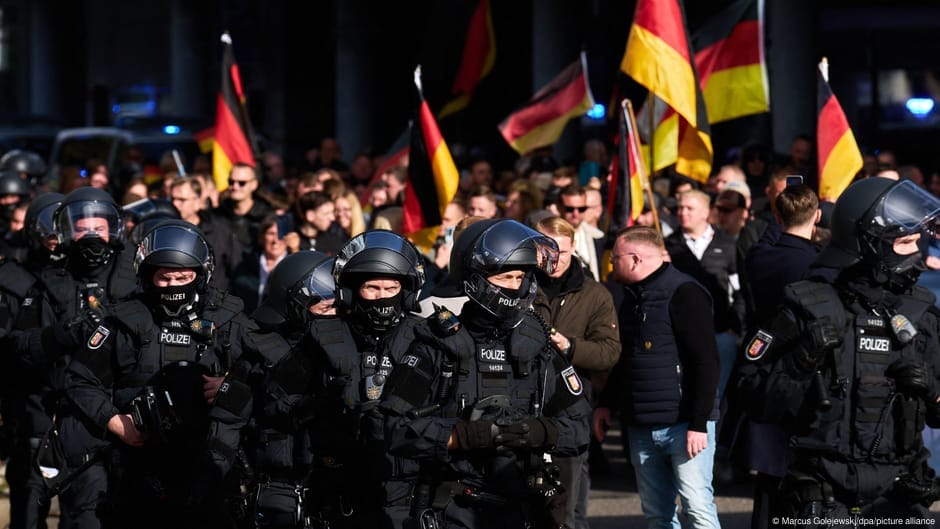
The electoral successes of the far-right Alternative for Germany (AfD) have brought the party closer than ever to taking power in Germany. For the 2029 federal election, she has set herself an ambitious goal: together with her co-chair Alice Weidel, she aims to see Germany's next chancellor come from their party. This raises an even sharper question: what political ideas does the party stand for, which has been classified by Germany's domestic intelligence agency as a "suspected right-wing extremist" organization and, in several federal states, is already considered "confirmed right-wing extremist"? Many political scientists have observed that the AfD has become increasingly radicalized since its founding in 2013.
We show the main point publicly. Create a free account to continue reading the full article, save it, discuss it, and connect it with market and OSINT context.